Speak English with the confidence your expertise deserves.
You already have the knowledge. Now it's time to communicate with the confidence, clarity and impact you have in your first language.
I help professionals stop overthinking their English and start speaking naturally — in meetings, presentations and everyday business conversations.
Find out what's actually holding you back
Answer five quick questions and get a personalised insight into why previous attempts haven't stuck — and what will actually make the difference.
There are no right answers — just choose what feels closest to true for you. At the end you'll get a personalised insight into what's really going on, and what will help.
Instant personalised insight · Nothing to install · Completely confidential
Imagine walking into your next meeting and…
This is the transformation we work towards together — not perfect English, but you, fully yourself, in English.
- ✓ Speaking without translating in your head first
- ✓ Explaining complex ideas clearly and simply
- ✓ Responding confidently to unexpected questions
- ✓ Joining conversations instead of holding back
- ✓ Leading meetings with authority and ease
- ✓ Feeling like yourself — even in English
You're successful in your career.
So why does English sometimes make you doubt yourself?
If any of these feel familiar, you're exactly who I work with:
- › You rehearse conversations in your head before meetings.
- › You know the words — but can't find them quickly enough.
- › You worry about making mistakes in front of colleagues.
- › You avoid speaking up unless you really have to.
- › You leave meetings wishing you'd contributed more.
It's frustrating — because you know you're capable of so much more.
Real feedback from real professionals
First names only — confidentiality is standard here.
One of the best for Business English and presentation coaching. Nicole coaches the form of presentations in a truly professional manner. I highly recommend her.
The sessions were tailor-made to suit my specific needs. Nicole gave me a great deal of self-confidence. Each one was thoroughly prepared around what I actually needed.
Nicole has the ability to motivate the learner into the process. She genuinely cares — and it shows in every single session.
After coaching hundreds of professionals, I discovered something.
Most people don't lack English.
They lack confidence in using the English they already have.
That's why learning more grammar rarely solves the problem. Real confidence comes from developing your language, your communication skills, and your ability to trust yourself when you speak — not from another textbook.
Confidence isn't something you wait for. It's something we build.
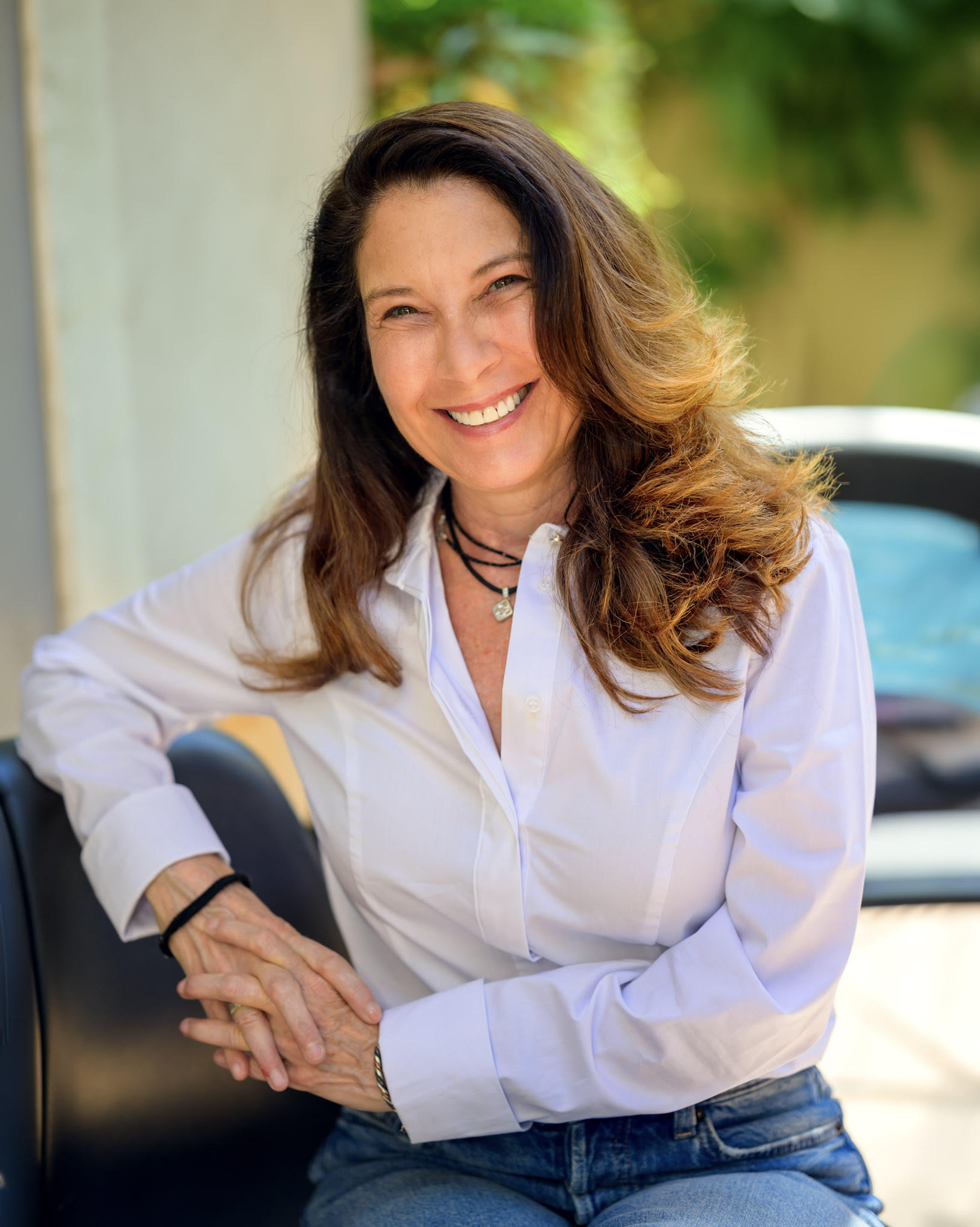
Hi, I'm Nicole.
For more than 15 years I've helped professionals communicate more confidently in English. Again and again I've seen the same thing: people know far more English than they think they do. What holds them back isn't ability — it's confidence.
That's why my coaching combines language development with practical communication skills and personalised coaching. Because this journey is about more than learning a language — it's about making English an extension of who you are.
— Nicole
Speak with me directlyEvery coaching programme is tailored to you.
Together we identify what's getting in your way and build a practical plan. We work on three things:
Language
The vocabulary and expressions you actually need — for your role, your industry, your real conversations.
Communication
How to explain ideas clearly, ask questions, negotiate and influence — in any professional situation.
Confidence
So you stop second-guessing yourself every time you speak. Confident communication isn't perfect English — it's trusting yourself enough to use it.
Traditional English teaching
- ✕ Fixed syllabus, textbook-based
- ✕ Focus on formal language structure
- ✕ Passive, teacher-led instruction
- ✕ Little focus on mindset or motivation
Neurolanguage® Coaching
- ✓ Personalised and flexible — built around you
- ✓ Focus on real-world application
- ✓ Active, hands-on learning
- ✓ Builds confidence and emotional resilience
Choose the right level of support
1:1 coaching
Personalised coaching built entirely around you — your role, your situations, your goals. The fastest path to lasting confidence.
Enquire about 1:1Small group coaching
Learn alongside other professionals in a small, supportive group — where everyone gets plenty of speaking time and personalised attention.
Enquire about groupsNot sure which is right for you? Message Nicole directly and she'll help you decide.
Before reaching out
Absolutely. Most of the professionals I work with already have strong English. The issue isn't their level — it's their confidence in using it under pressure. If you know the English but freeze when it counts, this is exactly for you.
A course teaches language. This coaches you as a communicator — working on the mindset, the confidence and the real situations where you struggle. The methodology is completely different, and so are the results.
Total. Client names are never shared. Testimonials use first names only. What you bring to sessions stays there.
Most clients feel a shift within the first few sessions. A full programme runs 4–6 months. The goal is lasting confidence — not a quick fix that fades after the coaching ends.
Yes. I work with HR directors both as individual clients and as the contact for team or group programmes. Message me directly to discuss what would work for your organisation.
Ideas and stories on language, confidence & the brain
Short reads on what actually holds people back — and what changes when they work through it.
The man who could sell ice to an Eskimo — and froze the moment his CEO asked a question
David's English was excellent. His confidence wasn't. The story of what was really getting in the way.
Read more →Why motivation alone isn't enough for lasting change
Motivation gets you started. Commitment and consistency are what actually get you there.
Read more →You don't need perfect English. You need to feel confident using the English you already have.
Let's have a conversation and see how I can help. Message me directly on WhatsApp — no forms, no waiting.
Book a discovery callWhatsApp · 0546097133 · Sessions via Zoom · Herzliya, Israel · Fully confidential